



|
|
|
 | |
Welcome to our ongoing series of historical questions about the Scottsville community. Please forward your answer to any of these questions via e-mail to info@scottsvillemuseum.com. If correct, you will win a limited edition note card and envelope, available for pickup at the Scottsville Museum. Correct answers will be posted and new questions added monthly. And if you have a historical question or reminiscence about Scottsville that you would like to share with our readers, we'd love to post it here on our web site. Can you make our readers say, "Well, how about THAT?" |
Young Woman's Photo Found In Schuyler | ||
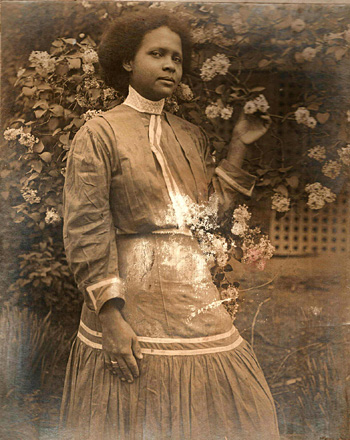 Last fall, Scottsville Museum received an interesting donation of a framed photo of a young woman standing next to a blooming flower trellis. The identity of the young woman is unknown but estimated to be circa 1900. This framed photo was found in the attic of a home in the Schuyler area of Albemarle County. No further information is currently known about this woman or the home's precise location. Do you know the name of this young woman and where this photo was taken? |
||
Two Fourth Graders at Scottsville School, 1940-1941 | ||
|
Do you know the names of these two fourth graders from 1940-1941?
|
||
Confederate Captain of the Green Mountain Grays | ||
|
Do you know the name of this Confederate Captain from Albemarle? The correct answer comes from John Coles Langhorne of Charlottesville, VA. The young soldier's name was Roberts Coles, son of Edward Coles who was born in Enniscorthy, the family home in Albemarle County. Edward (1768-1868) was a private secretary to James Madison and a strong supporter of emancipation, who moved west to Illinois in 1819 where he served as Governor in 1822. When his political career faltered, Edward moved to Philadelphia where Roberts was born in 1838. Roberts considered himself a Virginian and moved to Albemarle County in 1860 to farm. When the Civil War began, Roberts joined the Confederate Army with his fellow Virginians. To learn more about this Confederate soldier, visit: Captain Roberts Coles: Green Mountain Grays, 46th VA Infantry .
|
||
Scottsville High School's Hi-Y Club, 1954 | ||
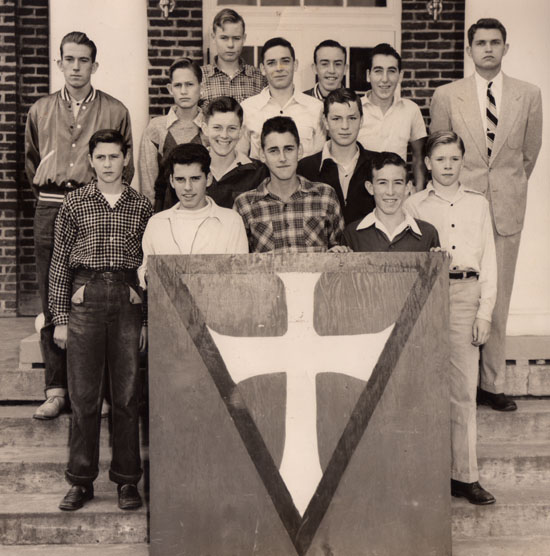 Shown above are the following members and sponsor of Scottsville High School's Hi-Y Club in 1954: First Row (L to R): Clements; Vice President Carden; President Catlett; Secretary and Reporter J. Haga; Eyre. Second Row (L to R): Bolick; Rutland; D. Johnson; Mr. Maidment, Sponsor. Third Row (L to R): Bailey; Mayfield; P. Jones; H. Haga. Treasurer Ballowe is not shown in this photo. Can you tell us more about the role this club played in Scottsville High School? The correct answer comes from The Scotty, 1952, which
was the yearbook for Scottsville High School. The Hi-Y was a national movement, and boys all over the U.S. strived to accomplish the
club's goals, "Clean Speech, Clean Sportsmanship, Clean Scholarship, and Clean Living." The main objective of the
Scottsville HS Hi-Y club was service. One of the ways by which club members achieved this objective was by distributing
baskets at Thanksgiving to needy people in the Scottsville community.
|
||
Two Leaders of the Scottsville High School Class of 1958 | ||
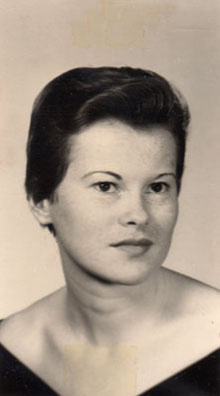 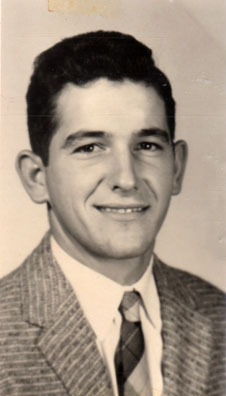 Can you identify each student? And which student was the class valedictorian? The correct answer comes from Shirley Cunningham Eye of Fredericksburg, VA. "Shown above are 1958 Senior Class photos of myself, Shirley Cunningham, and my classmate, Marvin Erskine Ripley. As a graduating senior, Marvin received the U.S. Rubber Company's award for outstanding qualities in citizenship, leadership, and sportsmanship. He also won the Danforth Foundation award, the SHS social science award, and the William Day Smith award. I also received the Danforth Foundation, shorthand, and English awards. I was cited as the 1958 Senior Class valedictorian, too. A great year for all of our class at Scottsville High School!" To see photos of all of the 1958 Senior Class, visit Scottsville High School Class of 1958.
|
||
1942 Graduating Seniors, Esmont High School | ||
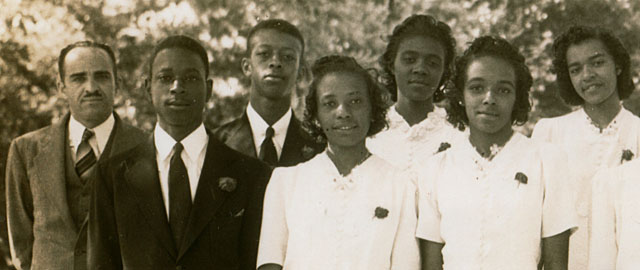
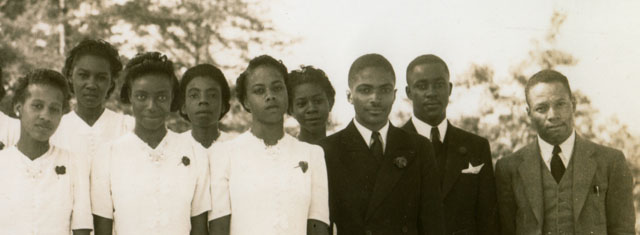 Can you help us identify each student in this photo? Even a few would be a wonderful help -- thanks in advance!! And what are the names of the teacher/school administrator at the left end of the top section and right end of the bottom section? The correct identity of the gentleman at the upper far right of this photo comes from Marnita Simpson, of the University of Virginia Law School: "The administrator at the far right of this photo is Henry Lawrence Summerall." To see the names of the students in this Esmont Class of 1942 photo, Principal Summerall, and also the name of a teacher of this class, visit: Esmont High School Class of 1942
|
||
1934 Graduating Senior, Scottsville High School | ||
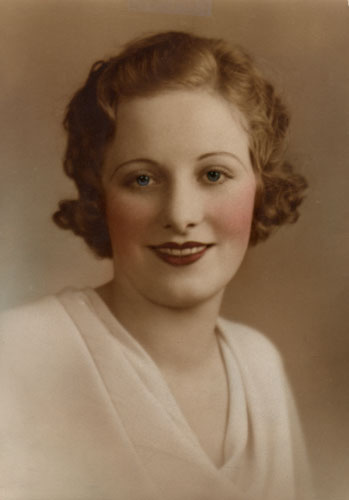 Do you know the name of this 1934 Scottsville HS graduate? The correct answer comes from Wilson L. Harrison of Birmingham, AL. "This is a photo of my aunt, Ruth Indiana Harrison, who graduated from Scottsville High School on 31 May 1934." Ruth was the daughter of William P. and Carrie V. Harrison of Scottsville, and the sister of Wilson's father, William Leslie Harrison. In addition to this lovely photo of his Aunt Ruth, Wilson also donated 4 copies of the Scotty, Scottsville High School's yearbook for the years 1948 and 1950-1952 and also school photos of his father, Leslie, in the Scottsville School's 6th grade class of 1929. Thank you, Wilson, for your continued support to Scottsville Museum's mission of preserving our community's history. We are most grateful!
|
||
1955 Photo of First Cousins in Scottsville | ||
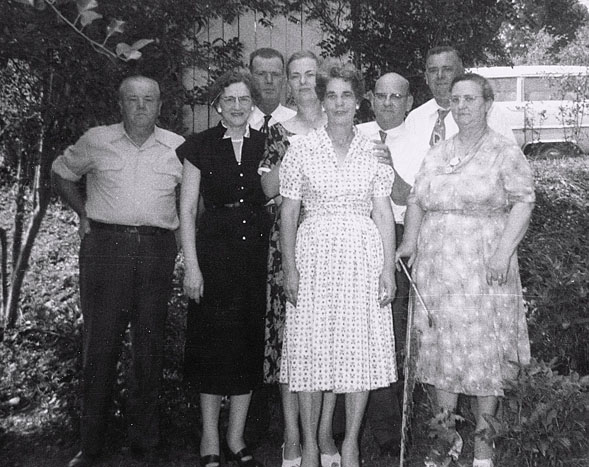 Do you know the names of these first cousins? The correct answer comes from Colin Randolph Skidmore of Stamford, CT. "I can identify everyone in the photo because they were all close relatives of my late grandfather, James Hubbard Skidmore. From left to right are my grandfather's cousin, Carl Jackson Bolling; cousin, Florence Elizabeth "Bessie" McCulloch Baxendale (Mrs. Albert Hatcher Baxendale, Sr.); cousin, Nathan Leneas Bolling; cousin, Nell Bolling Findley Zacharias (Mrs. Francis E. Zacharias); cousin, Rena Bolling Cook (Mrs. William Martin Cook); my grandfather's brother, Ivanhoe Bolling Skidmore; cousin, Robert Glover Bolling (brother of Nathan Bolling and Nell Zacharias); and my grandfather's sister, Amanda Harris Skidmore Payne (Mrs. William Miller Payne)." A special thanks to Patt Findley Freedman of Tallahassee, Fl, for sharing this photo of the Bolling grandchildren with Scottsville Museum and 'Our History' readers.
|
||
1938 Photo of Scottsville Man | ||
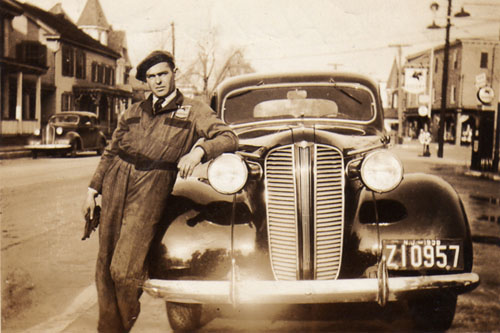 This man attended Scottsville Schools, and his daughter, who submitted the photo, believes he 'could have been a movie star' due to his handsome appearance, vibrant personality, and sense of humor. However, he chose to follow his hard work ethic until his death in 1966. Do you know the name of this man born and raised in Scottsville? 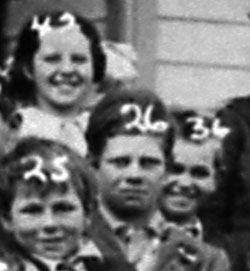
The correct answer comes from Jo Ann Hudson of Orlando, FL. Jo Ann is the daughter of Thomas Brockenbrough Hudson (1910-1966) shown above in a 1938 photo taken in Swedesboro, NJ. Thomas was the son of Walter Hudson and Pamelia (Brockenbrough) Hudson of Scottsville. He attended Scottsville schools and is the handsome young man labeled #36 in this cropped photo at right of Scottsville Primary School students in 1917; to see the entire photo, visit 1917 Primary School Students. Jo Ann says her father began working on his family's farm before his Scottsville School days were complete. In the 1930 Census records of Albemarle County, Thomas (age 19) was living with his parents and working on the Hudson family farm near Scottsville. Jo Ann said that her father later moved into construction where he worked until 2 weeks before his death in 1966. Working hard and taking care of his beloved family was Thomas Hudson's chosen and most admirable life's path.
|
||
1952 Scottsville High School Student | ||
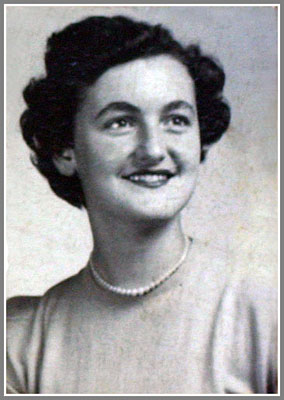 Do you know the name of this talented student of Scottsville HS? The talented lady above is Willie Christine Catlett as shown in her 1952 Senior Class photo at Scottsville High School (SHS). An active student at SHS, Christine served as the 1952 Editor-in-Chief of The Scotty yearbook; Publications Club President; Commercial Club President; News Editor of Ripples; and a member of the Girls' basketball team. After graduating from high school, Christine majored and excelled in mathematics at Mary Washington College, Fredericksburg, VA. Sadly, Christine and a fellow Mary Washington student were killed in a Richmond-area car accident on 4 March 1956, just three months before they were to graduate with their Bachelor degrees. Christine is buried near her family at Centenary United Methodist Church Cemetery just 7 miles south of Scottsville on Rt. 20.
|
||
Undated Burgess Photo of Workmen | ||
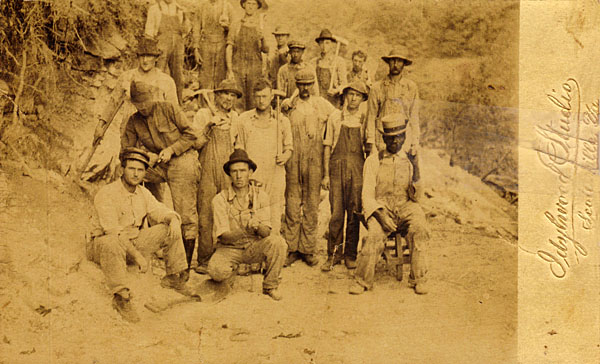 What is the date and location of this W.E. Burgess postcard? Does anyone recognize any of the workmen in its photo? We have not been able to definitively identify this photo. However, Raymon Thacker of Scottsville did theorize a plausible location for this photo after studying the photo's scenery and tools carried by the workmen. He believes that it is not a photo of a road or railroad construction site, given the very narrow area the workers cleared and in which they are standing in this photo. Raymon believed that it looks like workers at a local quarry to which William E. Burgess had access, but the photo's terrain is definitely not that of the stone quarry at Schuyler. Thus Raymon proposes that the photo may be of workmen at the slate quarry at Arvonia, Buckingham Co., VA, which is about 20 miles from Scottsville. At the time of the photograph (ca. 1910-1920), the Arvonia slate quarry was owned by Arthur L. Pitts, and Burgess was related to this Pitts family by marriage. It's possible that Burgess photographed these quarry workers as a favor for a relative or because Burgess was interested in recording this local history because the quarry was an important provider of slate for Scottsville's building needs. If we learn anything more concrete about this photo's origins, we will post that information here. To learn more about the Arvonia slate quarry and its history, visit Buckingham Slate.
|
||
BE&D Baggage Tag | ||
|
What do the initials BE&D represent, and what is the significance of this tag's number '8'? The BE&D initials stand for the initials of Boyd, Edmond, and Davenport, the dominant packet (passenger) boat company on the James River and Kanawha Canal which was organized in March 1842. This BE&D tag was found near an old chimney between Keene and Esmont, Virginia. To learn more about the BE&D packet boat company, visit Boyd, Edmond, and Davenport Packet Boats
|
||
Scottsville Town Bell | ||
|
Where was this bell located in Scottsville between 1916-1976? Between 1916-1976, the Scottsville town bell was mounted on a concrete tower just behind today's police station at the corner of Main and Valley Streets and in front of the old ice plant on Valley Street. In 1976, Scottsville's bell was rung along with other bells across the nation as part of the bicentennial celebration of the United States. After this event, the bell was moved to its current location in the Barclay House's courtyard.
|
||
1909 Urban Planning in Scottsville | ||
|
What two businesses did Mayor Heath and Secretary Blair conduct in Scottsville in 1909? The correct answer comes from Raymon Thacker of Scottsville, VA: In 1909, Mayor Thomas S. Heath owned Heath's Mill, a flour mill on Mink Creek in Scottsville and near where the Rt. 20 bridge over the James River is now located. Heath lived in the Old Tavern building on Main Street, and his flour mill burned down circa 1920. Dr. Joseph P. Blair operated his dental office on the second floor of white frame building, located beside Mink Creek on Main Street. Dr. Blair and his family lived at the Blair house on Harrison Street; Dr. Blair also served as Chairman, Albemarle County School Board for 37 years.
|
||
Scottsville Flour Mill | ||
|
What is known about the cause of this mill's destruction in 1977, and who was its last owner? The correct answer comes from Raymon Thacker of Scottsville, VA: On February 28, 1977, an early morning blaze leveled the wood-frame mill and threatened several homes and a nearby service station with heat so intense that it cracked windows and scorched wooden doors. The old mill building, owned by Keith Denby, contained feed, garden supplies, guns, ammunition, and other merchandise. At one point, live ammunition started exploding inside the structure, and as one firefighter said, "It sounded like World War III!" The cause of the spectacular blaze was believed to be arson, and this fire came exactly one year after two downtown fires on February 26 and 28, 1976 destroyed several Main Street businesses: the Travelers' Rest Hotel, its adjoining service station, W.F. Paulette and Sons lumber and hardware store. The Scottsville Methodist Church was also damaged in lumber store fire and had to be rebuilt. These three blazes remain unsolved.
|
||
Scottsville Hose Reel Cart | ||
|
When were the two hose reel carts retired from fire-fighting duties in Scottsville? How were the carts used during floods?
"Then our Fire Department did some serious fund raising to buy a truck chassis, and Barney Philpot designed the water tank to sit on it in 1942. Shown at right is Scottsville's first self-contained fire engine in this May 1945 photo. After 1942, the old hose reel carts were stored in the Canal Warehouse, but one of the carts eventually went to Richmond. The remaining cart is on display at Scottsville Museum."
|
||
C&O Structure in Scottsville, 1913 | ||
|
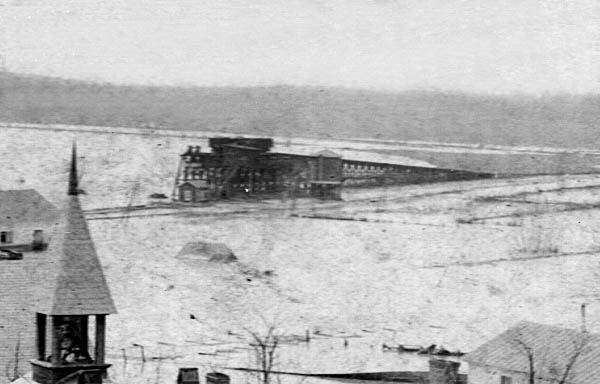 What purpose did this C&O structure serve? The correct answer comes from Thomas W. Dixon, Jr. of the Chesapeake and Ohio Historical Society, Inc., in Clifton Forge, VA: "The C & O Railroad maintained a 200-ton coaling station at Scottsville in 1895 through 1910. By 1920, Scottsville's platform coaling station had been taken out of service. Between 1910 and 1920, the coaling station at nearby Strathmore (Fluvanna Co.) was changed from a 200-ton platform to a 300-ton elevator, which allowed faster, easier coaling and replenishing there, and so that probably eliminated the need for the coaling station at Scottsville. Also between 1910-1920, larger locomotives with bigger tenders were introduced, which eliminated the need for so many coaling stations."
|
||
Scottsville Ice Man, 1934 | ||
|
Where was the Scottsville Ice Plant located from 1916-1967? The correct answer comes from Raymon Thacker of Scottsville: "The Scottsville Ice Plant was part of the water treatment facility located behind the Brady Building near today's Scottsville Bridge (built in 1968). An electrical generator (dynamo) made electricity that was used to freeze water in metal vats. The resulting ice was cut up in 100 pound blocks and delivered to local customers weekly. Following is a drawing of the water treatment facility circa 1963:" 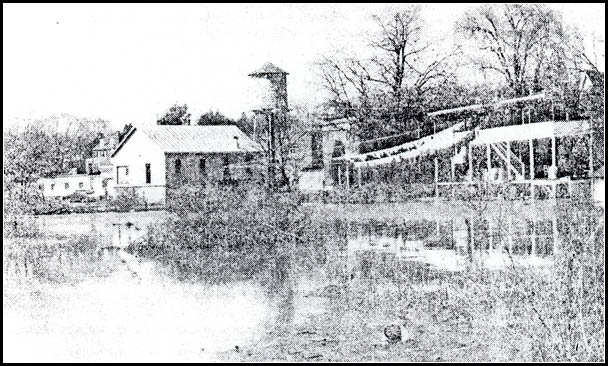 "When a customer needed ice, the ice man first weighed his empty wagon on the town scales, then loaded it witih ice and reweighed the loaded wagon to calculate how much ice he was delivering to his customer. The town scales were located on West Main Street where the James River Animal Hospital is in 2009." "The water treatment plant operated from 1916-1967, and its last operator was Charlie Lenaham. Before this plant was built, block ice for refrigeration was cut from local ponds beginning in November of each year. The block ice was taken by wagons to an underground storage area (deep hole) near the town scales on West Main Street and covered over with straw until a customer needed an ice delivery."
|
||
Scottsville Leaders Kick off Clean-Up Week | ||
|
What were the names of these two Council members, who were also local businessmen? The correct answer comes from Cenie Re Sturm of Scottsville: "The two men are George Omohundro (left) and Rob Pitts (at right, who was also the father of Pat and Billy Pitts). They were prominent men of Scottsville, who truly cared about our town." Faye Shumaker of Dillwyn, VA, also correctly answered this Our History question. Faye added: "In the cleanup picture, the man with silver hair is my cousin, George Omohundro."
|
||
Scottsville Mechanic and WWI Veteran | ||
|
As a result of having been gassed during his WWI service in France, this Scottsville veteran suffered from lung problems. He died April 2, 1930, in Scottsville, and is buried at Scottsville Cemetery. What was the name of this Scottsville mechanic and WWI veteran? The correct answer comes from Robert Hunter of Richmond, VA:
"The mechanic in this photo is my father, Albert Cushman Hunter. During WWI, he was a Sergeant in the 5th Field Signal Battalion,
U.S. Army Third Division.
|
||
Movie Crew in Howardsville, 13 August 1940 | ||
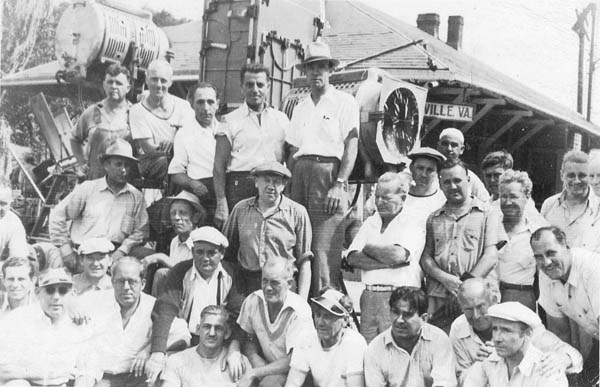 "Virginia" starred Fred MacMurray, who first met the movie's heroine, Madeleine Carroll, as she descended from the passenger train at the Howardsville depot on the Chesapeake & Ohio Railroad. For the film, Director Edward Griffith renamed this depot and brought a specially painted locomotive from a nearby railroad for the scenes filmed in Howardsville. What was the name given to this train depot in "Virginia," and which railroad provided the locomotive for the scenes filmed along Howardsville's C&O tracks? The correct answer comes from Alec Pandaleon of Clinton Corners, NY, who also donated the photograph and movie to Scottsville Museum. "For the movie, the Howardsville station sign was replaced with one reading, 'Fairville.' Appearing in the film was a Nelson and Albemarle saddletanker that was taken over to the Chesapeake and Ohio line to Howardsville for the scene. The Nelson & Albemarle Railway operated a line of about 17 miles that extended from Rockfish and ran eastward through Schuyler and Esmont up to Alberene, VA, the location of the old Alberene Stone Company. Robert Hunter of Richmond, VA wrote: "I remember as a child when I was visiting with the Cary Moons at Shirland, located between Route 6 and Route 20 just outside of Scottsville, I used to stand by the roadside and watch cars and busses go by after a day of filming. I remember seeing Madeline Carroll going by in her convertible -- dust just flying behind her as she headed back to Charlottesville. At that time, the roads were not paved."
|
||
Scottsville News Headline, 17 August 1944 | ||
|
What was this disease that was a fearful part of American culture for most of the twentieth century? The correct answer comes from Howard H. Anderson and Chris Hogger of Scottsville, VA, and Virginia Phillips-Smith of Waynesboro, VA. As Virginia remembers: "I was about six years old in 1944, and I remember these warnings clearly. The disease that all of us were afraid of was polio. My uncle, who now lives in Nellysford, Virginia, actually got polio about this time and was very sick. People everywhere were very afraid and were warned about avoiding swimming and crowds. It was a frightening time." "My husband lived in Ivy, Virginia, during those years. He said that the place that seemed to have the biggest problem was Churchville, VA (west of Staunton, VA). He said they didn't even bring mail out of Churchville (for fear of spreading the disease from those individuals stricken with it in that town). He also reminded me that the fear of swimming was that people believed the polio came from being chilled."
|
||
Scottsville Machine-Gunner in France, 1945 | ||
|
What is the name of this WWII machine gunner from Scottsville? The correct answer comes from Katherine Ellis of Scottsville, VA: "This soldier looks like George Howard to me. He doesn`t look old enough to have even left home!" To learn more about George's service during WWII, visit George Howard.
|
||
Hunter-Turner Family in Scottsville, 1929 | ||
|
Who were the parents of the little boy dressed in white, and what was his name before he was adopted by Florence and Charles Turner?
|
||
How much do you know about living in the 1940s? | ||
|
2. What was the most dreaded disease in the 1940s?
3. What method did women use to look as if they were
4. Why was having milk delivered a problem in northern winters?
5. In 1943, the world's largest office building was completed. What was its name?
6. In 1944, scientists at which American university invented the first automatic general-purpose computer?
7. What postwar car turned automotive design on its ear when you couldn't tell whether it was coming or going?
8. What was the popular chewing gum named for a game of chance? Please e-mail your answers to Scottsville Museum. The first reader with the most correct answers wins! The correct answers came from Pat Windschitl of Virginia Beach, VA, and Callie Bowers of Scottsville, VA: 1. B; 2. C; 3. B; 4. C; 5. C; 6. A; 7. A; 8. A
|
||
Tank Mechanic in Italy | ||
|
What is the name of this WWII tank mechanic and faithful docent at Scottsville Museum? The correct answer is Sergeant William Paul Schneider, a current resident of Scottsville, VA. During his platoon's Italian action, they captured a still, and Bill says that they traded five gallons of gasoline to Italian farms for five gallons of wine. The Americans used the still to convert the wine to grappa, an Italian grape-based brandy that ranged between 60 to 160 proof and reportedly aided digestion after heavy meals. To learn more about Bill's service during WWII, visit William Schneider.
|
||
Child of Albevanna Springs | ||
|
What is the name of this child of Albevanna Springs? The correct answer comes from Howard H. Anderson of Scottsville, VA: "I called my dad, Haden B. Anderson, and he says that would be Mollie Laurie Anderson, daughter of D. Wiley Anderson, the architect. She married Russell Van Allen." In 2007, Mollie Van Allen lives in Richmond, Virginia, and recorded her oral history with our Museum this summer.
|
||
An OSS Spy in WWII | ||
|
What is the name of Scottsville's OSS veteran? The correct answer comes from Nancy Avers of Palmyra, VA, and Howard H. Anderson of Scottsville, VA, who e-mailed their answers almost simultaneously. Nancy's e-mail read: "The beautiful woman in the picture is Dr. Margaret S. Emanuelson. Her novel "Company Of Spies" is a thrilling book, not to be missed. I believe Margaret has another book in the works to be released shortly. She is one of the most charming and vivacious people I have ever met. As Chaplin of the Scottsville United Daughters of the Confederacy, she brings wisdom and comfort to all."
|
||
Warminster and Scottsville Store Owner | ||
|
What is the name of this Warminster and Scottsville store owner? The correct answer comes from Callie Bowers of Scottsville: "The owner of the store was Russell Moon, husband of Cenie, father of Cenie Re Moon Sturm and Annie Lou Moon Doster. Russell and his wife, Cenie, were famous for their Christmas Eve oyster stew suppers after midnight service at St. John's Episcopal Church. Everyone was invited 'to come on over' to their home right across Harrison Street, and many stayed until the wee hours. Russell was a good and generous man, a friend to all."
|
||
Beloved Scottsville Woman and Her Great Niece | ||
|
What are the names of these two ladies and what home did they share in Scottsville? The correct answer comes from Jared Scott of Lebanon, Ohio: "The young girl who later became one of the original Committee members for the Scottsville Museum is Miss Susie Blair. I believe her great-aunt pictured is Miss Susan Staples, daughter of Thomas Staples, who acquired the Barclay House - now home to Museum archives - from J.T. Barclay. Miss Susie Blair and her great-aunt lived at The Terrace on Jackson Street." Susan Staples was the daughter of Thomas and Ann (Tompkins) Staples; her father was a leading merchant in Scottsville until his death in 1868. Miss Staples died in 1920 at age 86 and is buried in the Staples family cemetery near Glendower. Her niece, Susie Blair, was born on 7 February 1896 and was the daughter of Joseph P. and Susie (Powers) Blair of Scottsville. Susie attended Scottsville schools and graduated from Hollins College where she later became a drama professor. After her retirement, Miss Susie returned to Scottsville and lived at The Terrace until her death in 1980.
|
||
A Scottsville Miller and Her Daughter | ||
|
What is the name of the woman miller of Scottsville and her daughter (shown in the photo above)? The correct answer comes from Patt Freedman of Tallahassee, FL, Richard Nicholas of Charlottesville, VA, and Raymon Thacker of Scottsville. Quoting Raymon's answer, "The lady miller was Mary Cecelia Payne, wife of Tom Payne. Mary's daughter, Annie Payne White, is shown in this photo." Payne's Mill was located about four miles down river from Scottsville in Buckingham County, and as Richard Nicholas remembers that the mill pond was also a favorite fishing spot for anglers hoping to catch 'the big one.'
|
||
An Historic Home Near Scottsville | ||
|
What is the name of this historic home near Warren, and what is the surname of the family that has owned this property since 1747? The correct answer comes from Katherine Ellis of Scottsville, VA, and Ed Lay, Professor Emeritus of Architecture, University of Virginia, Charlottesville. Quoting Ed's answer, "The house is Morrisena at the intersection of Rts. 626 and 627 near Warren. It was probably built for Hugh Morris in the mid 18th century and as of 2005, it was still owned by the Morris family (John L. Morris, Jr.)."
|
||
The Scottsville Bridge | ||
|
What year was this wood-planked bridge opened to carry vehicular traffic? What year was it replaced with today's modern concrete bridge? The correct answer comes from Fred Schneider of Charlottesville, Cenie Re Sturm and Pat Pitts of Scottsville, VA. Quoting Fred's answer, "The wood-planked bridge took over from the ferry in 1907. The present concrete bridge began service on July 4, 1968. The first answer can be found on Pylon 7 at Canal Basin Square in Scottsville and on the Scottsville Museum web site. The second answer comes from Scottsville on the James by Virginia Moore."
|
||
Valley Street Market Owner | ||
|
Can you identify this Scottsville business woman and the Valley Street building that housed her market? The correct answer comes from Patt Freedman of Tallahassee, FL, Anne Lee Stevens of Roanoke, VA, and Cenie Re Sturm of Scottsville, VA. Quoting Cenie Re's answer, "This wonderful lady was Agnes Payne Beal....she was my next door neighbor on Harrison Street when I was growing up, and I called her Grandma because she treated me like her granddaughter. 'Grandma' sold the James River Market to my father, Russell Moon, in 1957, and he continued to run the store until his death in Jan. 1966. The store was located at the corner of Bird and Valley Streets, directly across from today's Dollar General Store. " "Grandma never grew old!! She was so much fun. Once I got my driver's license, we would go 'exploring'... just riding down all the country roads. We always liked to go down roads that we weren't sure where they went. Never got lost...I have a good sense of direction, and usually Grandma would recognize something!!! She was a very special person in my life."
|
||
A Scottsville Milliner | ||
|
Can you identify this Scottsville milliner and the Valley Street building that housed her millinery? The correct answer comes from Katherine Ellis of Scottsville, VA, and Linda Listmann of Santa Cruz, Ca. Quoting Katherine's answer, "The lady who ran the millinery store was Etta Harris, the daughter of Lafayette Harris and his wife, Martha Jane (Minor) Harris. Etta was a first cousin of my grandfather, Charles Bascom Harris, Sr. When I was a little girl, I remember Cousin Etta surrounded herself with lots of little poodles. Tom Bruce, Jr., told me that when he was a little boy, they always referred to Miss Etta's dogs as "Etta Dogs!" Etta's millinery was located in the brick building just north of today's A. Scott Ward Realty, Inc. (460 Valley St.).
|
||
A Scottsville Mayor | ||
|
Can you identify this Scottsville mayor and the historic home, which belonged to his family for over 100 years? The correct answer comes from Stephen Phipps, Mayor of Scottsville; Jared Scott of Lebanon, OH; and Cenie Re Sturm of Scottsville, VA. Quoting Jared's answer, "That man in the photo is one of my favorite Scottsville mayors, Jackson Beal. His father Joseph R. Beal, purchased Old Hall in 1856, and the building was Wesley Merritt's HQ during the War Between the States (March 1865). The younger Beal would be Scottsville's mayor for 25 years."
|
||
A Scottsville Musician, ca. 1915 | ||
|
Can you identify this Scottsville musician and painter or his Scottsville children? The correct answer comes from Cenie Re Sturm of Scottsville, VA: "I believe this photo is of "Happy" Anderson. And his children living in the area are Haden Anderson, Bob Anderson, and Sara Roberts. I think I am right......I sorta remember that he made music." Indeed, Cenie Re, you are correct for this is a photo of Wiley Young Anderson aka 'Happy' Anderson. Wiley married Mattie Irene Haden, and they were the parents of six children: Orville, Haden, Wiley, Benjamin Douglas, Robert Leon, and Sara Anderson.
|
||
A Scottsville Business Family | ||
|
Can you identify this Scottsville father and son business team? The correct answer comes from Edward Pat Pitts of Scottsville: "The man at left with the bushy moustache is William F. Paulett and at right is his son, Forrest." The Pauletts are pictured at work in their office at W.F. Paulett & Son, a three-storied building supply store located between the Scottsville Methodist Church and today's Scottsville Museum on Main Street. Mr. Paulett began this business in Scottsville in 1914, and his son joined him in 1919. In late February 1976, a series of unexplained fires destroyed first the Exxon Station at the corner of Valley and Main Street and the Traveler's Rest Hotel next door. Several days later, the W.F. Paulett & Son business went up in smoke and with it the Methodist Church next door was severely damaged. In 2004, W. F. Paulett & Son, Inc., is owned by George Hooper and located on Irish Road in Scottsville.
|
||
Three Scottsville Boy Scouts | ||
|
Can you name these three Scottsville Boy Scouts? The correct answer comes from Katherine Ellis of Scottsville, VA: "From left to right, the three Boy Scouts are: Herbert Faulconer, Quail Early, and Thomas Ellison Bruce, Jr."
|
||
Harrison Street Trio | ||
|
Can you name these children and the Scottsville business started by their father? The correct answer comes from Sheridan McNamara and Cenie Re Sturm of Scottsville, VA: "These are the children of T.E. and Mary Bruce: (L to R) Ann Shirley; Thomas E., Jr.; and Jane Bruce." In November 1908, T.E. Bruce, Sr., began his first Scottsville pharmacy on Valley Street where the Dew Drop Inn is located today. By 1912, Bruce moved his drugstore a few storefronts south on Valley Street and finally remodeled the Carleton House at the corner of Valley and West Main Street where he operated Bruce's Drug Store until his death in 1947. After his father's death, Thomas E. Bruce, Jr., studied to become a pharmacist and managed Bruce's Drug Store until his retirement in 1977. Today Bruce's Drug Store is owned and operated by Richard and Ann Sago.
|
||
Three Musical Families | ||
|
Can you name the families or identify any of the family members shown in this photo? These musicians are from Scottsville's Blair, Powers, and Osborne families, who posed for this photo in the yard above the Tompkins house (180 Jackson Street). Row One (L to R): Nellie Osborne, unknown; Row Two (L to R): Dimp Blair, Lucy Powers, Tempe Osborne; Row Three (L to R): Nita Osborne, Marietta 'Met' Powers, unknown. Page Nichols of Kill Devil Hills, NC, provided additional information about the Osborne family of Scottsville. The Osborne girls featured in the picture were the daughters of Annie Grey 'Nannie' Eppes and Dr. William Egbert Osborne, who died in Scottsville on February 18, 1890. They were the granddaughters of Senator John Wales Eppes of Millbrook Plantation in Buckingham, VA. Tempe (1874-1971), Nellie (1875-1923), and Nita (1877-1961) all became music teachers, who never married and lived in Bluefield, VA.
|
||
 | |
| Home Exhibits About Visiting News Our History Archive For Kids Contact Your Help Search |
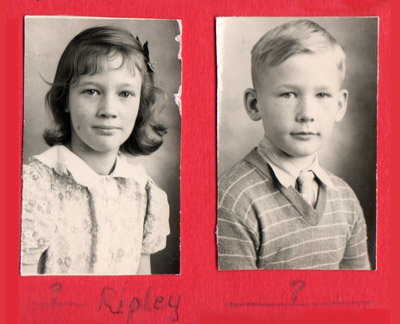 Recently Scottsville Museum received a donated scrapbook containing photos of the fourth grade students in Margaret Hall Hamilton's fourth grade class at
Scottsville School in 1940-1941 Shown above are two students with their photos not fully identified. We welcome any help
our readers may be able to provide in helping us learn these students' names.
Recently Scottsville Museum received a donated scrapbook containing photos of the fourth grade students in Margaret Hall Hamilton's fourth grade class at
Scottsville School in 1940-1941 Shown above are two students with their photos not fully identified. We welcome any help
our readers may be able to provide in helping us learn these students' names.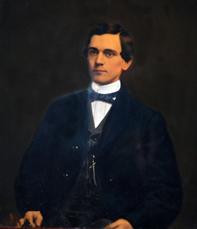
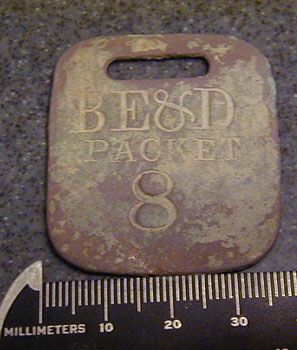 Jack Hamner, an experienced 'dirt fisherman' (relic hunter) and Scottsville Museum Trustee, unearthed this packet boat baggage tag
near an old stone chimney between Keene and Esmont. The tag's front reads "BE&D Packet, 8." Engraved on the tag's back is
"John Robbins, Boston." In the mid-1800's, such small metal tags were attached to a traveler's personal luggage and usually bore
the name of the issuing party (hotel, railroad or other transportation company) along with a number by which a passenger could identify
his or her luggage. At the end of one's hotel stay or upon arrival at the desired destination, these tags usually were removed and returned
to the issuing company for reuse. For whatever reason, this tag was not returned to the packet boat company operating on the James River and
Kanawha Canal that passes through Scottsville. Instead this tag ended up seven or eight miles from the Canal, perhaps accompanying
the passenger's bag to his home.
Jack Hamner, an experienced 'dirt fisherman' (relic hunter) and Scottsville Museum Trustee, unearthed this packet boat baggage tag
near an old stone chimney between Keene and Esmont. The tag's front reads "BE&D Packet, 8." Engraved on the tag's back is
"John Robbins, Boston." In the mid-1800's, such small metal tags were attached to a traveler's personal luggage and usually bore
the name of the issuing party (hotel, railroad or other transportation company) along with a number by which a passenger could identify
his or her luggage. At the end of one's hotel stay or upon arrival at the desired destination, these tags usually were removed and returned
to the issuing company for reuse. For whatever reason, this tag was not returned to the packet boat company operating on the James River and
Kanawha Canal that passes through Scottsville. Instead this tag ended up seven or eight miles from the Canal, perhaps accompanying
the passenger's bag to his home.
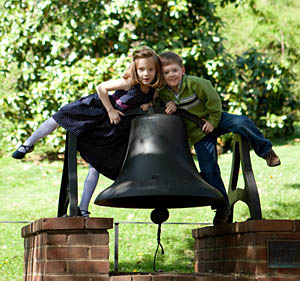 Scottsville's town bell is shown at its current location in the Barclay House courtyard next to Scottsville Museum. Between
1916-1976, this bell was mounted in a different Scottsville location and served as a gathering point for townspeople in
emergencies. The bell could be heard for 3 miles, and when there was a fire in town, the bell was rung for one minute straight and then
held silent for a minute before being rung for another minute straight. When the town water was being cut off (in case of a
flood, for instance), the bell was rung 3 times, held silent for 5 minutes, and then rung 3 more times. Townspeople would
gather at the bell to get more information about the fire, flood, or other crisis from the Mayor, volunteer fire chief, and/or
Scottville's police chief.
Scottsville's town bell is shown at its current location in the Barclay House courtyard next to Scottsville Museum. Between
1916-1976, this bell was mounted in a different Scottsville location and served as a gathering point for townspeople in
emergencies. The bell could be heard for 3 miles, and when there was a fire in town, the bell was rung for one minute straight and then
held silent for a minute before being rung for another minute straight. When the town water was being cut off (in case of a
flood, for instance), the bell was rung 3 times, held silent for 5 minutes, and then rung 3 more times. Townspeople would
gather at the bell to get more information about the fire, flood, or other crisis from the Mayor, volunteer fire chief, and/or
Scottville's police chief.
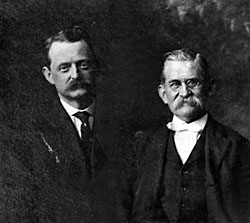 Shown below is a 1909 advertisement in The Richmond Times Dispatch, purchased by the Scottsville Town Council to
market the advantages of investing in Scottsville's economy. This ad reflects not only early urban planning techniques but
also the attractiveness of Scottsville as the natural town site in the midst of Fluvanna, Albemarle, and Buckingham farms,
orchards, and timber land. Touted also was Scottsville's beautiful homes/homesites, excellent roads, an iron bridge over the James River,
C&O Railway Station, fine business opportunities, and no town tax. Per this ad, industries desired in Scottsville that would pay
investors well were furniture factories, wagon and buggy factories, barrel factories, shirt and overall factories, and creameries.
Point-of-contact for inquiries were Scottsville's Town Council Secretary Joseph P. Blair (at left in photo) and Mayor T. S. Heath (at right
in photo).
Shown below is a 1909 advertisement in The Richmond Times Dispatch, purchased by the Scottsville Town Council to
market the advantages of investing in Scottsville's economy. This ad reflects not only early urban planning techniques but
also the attractiveness of Scottsville as the natural town site in the midst of Fluvanna, Albemarle, and Buckingham farms,
orchards, and timber land. Touted also was Scottsville's beautiful homes/homesites, excellent roads, an iron bridge over the James River,
C&O Railway Station, fine business opportunities, and no town tax. Per this ad, industries desired in Scottsville that would pay
investors well were furniture factories, wagon and buggy factories, barrel factories, shirt and overall factories, and creameries.
Point-of-contact for inquiries were Scottsville's Town Council Secretary Joseph P. Blair (at left in photo) and Mayor T. S. Heath (at right
in photo). 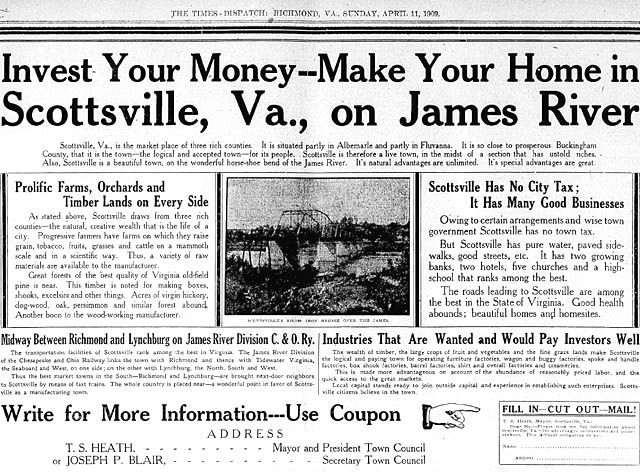
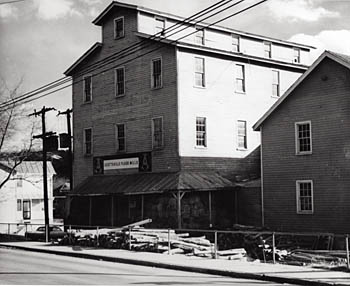 The Scottsville Flour Mills was a five-story building, located at Main and Ferry Streets in Scottsville. It was a
state-of-the-art mill that was built about 1910 and ran with steam. Arthur Thacker managed the mill for Captain John Pitts, its owner, from 1911-1917,
until his health worsened due to breathing flour dust in the mill. Later a farm supply business was added to the
mill, and two other Scottsville men, Cecil Harman and T. Tyler Robertson, worked for 40 years at the mill. But in February
1977, the flour mill was totally destroyed.
The Scottsville Flour Mills was a five-story building, located at Main and Ferry Streets in Scottsville. It was a
state-of-the-art mill that was built about 1910 and ran with steam. Arthur Thacker managed the mill for Captain John Pitts, its owner, from 1911-1917,
until his health worsened due to breathing flour dust in the mill. Later a farm supply business was added to the
mill, and two other Scottsville men, Cecil Harman and T. Tyler Robertson, worked for 40 years at the mill. But in February
1977, the flour mill was totally destroyed.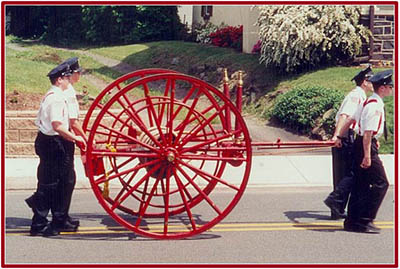 The Scottsville Volunteer Fire Department was formed as a bucket brigade in 1905. The Department upgraded their fire equipment
in about 1916 when they purchased two hand-drawn hose reel carts, almost identical to the one shown at right; one of these
Scottsville carts is currently on display at Scottsville Museum. During a fire, six to eight Scottsville volunteers
pulled the cart to the scene of a fire and hooked up to one of the fire hydrants dispersed around town. Although better than
fighting a fire with water buckets, the hose reel carts had their limitations: 1) by the time the carts were pulled
up the hill between St. John's and the Scottsville Baptist Church, the firemen were so tired they often didn't have the
strength to hold a hose, and 2) the water pressure straight out of the hydrants was not sufficient to spray water very far.
Raymon Thacker recalls a bad fire on Main Street in the 1920's that nearly got away from the fire department because they could not keep up
with the rapidly spreading fire. Before the fire was brought under control, the Slaughter Hotel and the Charles B. Harris
Clothing Store went up in flames.
The Scottsville Volunteer Fire Department was formed as a bucket brigade in 1905. The Department upgraded their fire equipment
in about 1916 when they purchased two hand-drawn hose reel carts, almost identical to the one shown at right; one of these
Scottsville carts is currently on display at Scottsville Museum. During a fire, six to eight Scottsville volunteers
pulled the cart to the scene of a fire and hooked up to one of the fire hydrants dispersed around town. Although better than
fighting a fire with water buckets, the hose reel carts had their limitations: 1) by the time the carts were pulled
up the hill between St. John's and the Scottsville Baptist Church, the firemen were so tired they often didn't have the
strength to hold a hose, and 2) the water pressure straight out of the hydrants was not sufficient to spray water very far.
Raymon Thacker recalls a bad fire on Main Street in the 1920's that nearly got away from the fire department because they could not keep up
with the rapidly spreading fire. Before the fire was brought under control, the Slaughter Hotel and the Charles B. Harris
Clothing Store went up in flames. 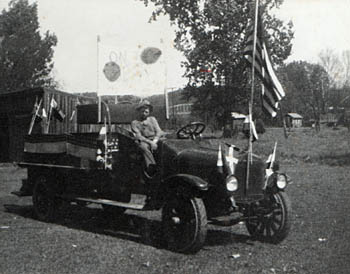 The correct answer comes from Raymon Thacker
of Scottsville, VA: "Our two carts were used to fight fires until the early 1940's. Firemen also hooked the carts
to town fire hydrants and washed the mud out of stores and homes in low-lying areas of Scottsville during our many floods."
The correct answer comes from Raymon Thacker
of Scottsville, VA: "Our two carts were used to fight fires until the early 1940's. Firemen also hooked the carts
to town fire hydrants and washed the mud out of stores and homes in low-lying areas of Scottsville during our many floods."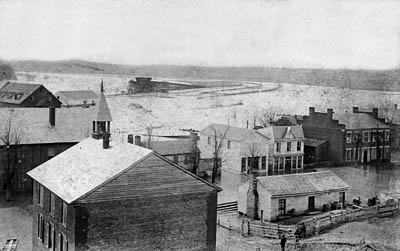 In March 1913, photographer William Burgess stood on Jackson Street and pointed his camera south towards the James River
to take this photograph of flooded Scottsville. Flood waters covered the flat land from the Methodist Church all the way
south to the James River. In the distance and just to the right of the church's steeple, you'll notice an unusual
structure near the water-covered C&O railroad tracks. This structure belonged to the railroad and is shown enlarged in
the photo below:
In March 1913, photographer William Burgess stood on Jackson Street and pointed his camera south towards the James River
to take this photograph of flooded Scottsville. Flood waters covered the flat land from the Methodist Church all the way
south to the James River. In the distance and just to the right of the church's steeple, you'll notice an unusual
structure near the water-covered C&O railroad tracks. This structure belonged to the railroad and is shown enlarged in
the photo below: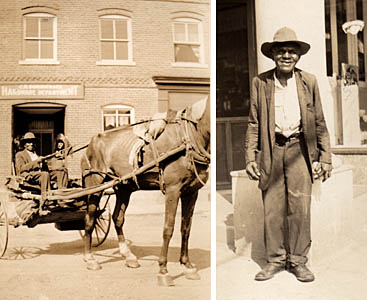 Reuben Patterson, shown at right in front of the old C.R. Dorrier Store (now Country Blessings), served as Scottsville's iceman in 1934. His job was to load 50 lb. blocks of
ice onto his wagon at the town's ice plant, cover the blocks with canvas to slow melting, and then carry them to townspeople, who ordered the ice once
a week. Anne Shirley (Bruce) Dorrier remembers Reuben coming to the Bruce home and using his ice tongs to load their
ice block into the wooden icebox they kept on the back porch. When he finished, Anne Shirley said the Bruce children always danced
around Reuben and, to his delight, sang this song:
Reuben Patterson, shown at right in front of the old C.R. Dorrier Store (now Country Blessings), served as Scottsville's iceman in 1934. His job was to load 50 lb. blocks of
ice onto his wagon at the town's ice plant, cover the blocks with canvas to slow melting, and then carry them to townspeople, who ordered the ice once
a week. Anne Shirley (Bruce) Dorrier remembers Reuben coming to the Bruce home and using his ice tongs to load their
ice block into the wooden icebox they kept on the back porch. When he finished, Anne Shirley said the Bruce children always danced
around Reuben and, to his delight, sang this song: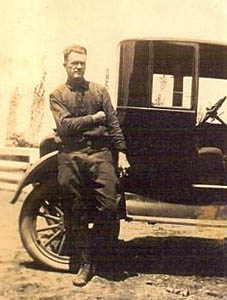 After WWI, this Army veteran ran a garage that was located between the Scottsville Methodist Church and the Disciples of
Christ Church (now Scottsville Museum). In this 1928 photo, he stands with one of the cars he was repairing. This
gifted mechanic was also a member of the Scottsville Masonic Lodge and Scottsville Methodist Church. He was the
father of three children: James, Robert, and Alice.
After WWI, this Army veteran ran a garage that was located between the Scottsville Methodist Church and the Disciples of
Christ Church (now Scottsville Museum). In this 1928 photo, he stands with one of the cars he was repairing. This
gifted mechanic was also a member of the Scottsville Masonic Lodge and Scottsville Methodist Church. He was the
father of three children: James, Robert, and Alice.
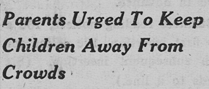 Thus read the headline of the Scottsville News after outbreaks of this disease in the United States peaked at 1600 reported cases during the
summer of 1944. Scottsville parents were warned that children under ten years of age should not visit places of
recreation and amusement where crowds might assemble; the disease had its greatest incidence and inflicted the most damage in this age group. Avoiding
crowds where carriers of the disease might be present was considered vital to reducing its spread. Additionally, it was believed
that avoiding extreme fatigue from strenuous exercise was a necessary precaution as well as avoiding swimming in or drinking of impure water.
Thus read the headline of the Scottsville News after outbreaks of this disease in the United States peaked at 1600 reported cases during the
summer of 1944. Scottsville parents were warned that children under ten years of age should not visit places of
recreation and amusement where crowds might assemble; the disease had its greatest incidence and inflicted the most damage in this age group. Avoiding
crowds where carriers of the disease might be present was considered vital to reducing its spread. Additionally, it was believed
that avoiding extreme fatigue from strenuous exercise was a necessary precaution as well as avoiding swimming in or drinking of impure water. 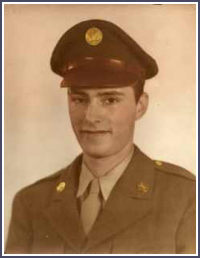
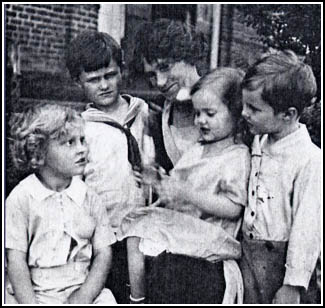 Bob Hunter, the son of Albert and Eva Hunter of Scottsville, provided this 1929 photo of the Hunter-Turner family as they posed in front of the old Scottsville
school house. Bob would like to learn more about the identity of the little boy with curly blond hair and dressed in white at photo left.
Bob Hunter, the son of Albert and Eva Hunter of Scottsville, provided this 1929 photo of the Hunter-Turner family as they posed in front of the old Scottsville
school house. Bob would like to learn more about the identity of the little boy with curly blond hair and dressed in white at photo left.  1. In the 1940s, where were automobile headlight dimmer switches located?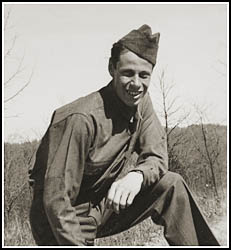
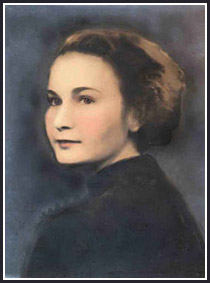 In 1915, this lady was born at Albevanna Springs, a farm located 3 miles from Scottsville. Many Scottsville residents went
to the Springs to get their water, which was believed to have medicinal benefits. Her father drew up plans for a resort on the
property in 1923 called, �Albevanna Springs, Hotel Sanatarium (sic), Health and Pleasure Resort.� These plans didn't come to fruition
because of the Depression, though. During the 1930's times were tough and this family survived by their own ingenuity. His
daughter at right wore clothes sewn from her father's linen drawings; she graduated from Scottsville High School in 1933. She
married her husband, another Scottsville HS graduate, in 1938. During WWII, she worked for the Reconstruction Finance
Corporation while her husband served in the U.S. Army Air Force overseas. After the war, she and her husband lived in Richmond where her father had once designed many Victorian-style buildings.
In 1915, this lady was born at Albevanna Springs, a farm located 3 miles from Scottsville. Many Scottsville residents went
to the Springs to get their water, which was believed to have medicinal benefits. Her father drew up plans for a resort on the
property in 1923 called, �Albevanna Springs, Hotel Sanatarium (sic), Health and Pleasure Resort.� These plans didn't come to fruition
because of the Depression, though. During the 1930's times were tough and this family survived by their own ingenuity. His
daughter at right wore clothes sewn from her father's linen drawings; she graduated from Scottsville High School in 1933. She
married her husband, another Scottsville HS graduate, in 1938. During WWII, she worked for the Reconstruction Finance
Corporation while her husband served in the U.S. Army Air Force overseas. After the war, she and her husband lived in Richmond where her father had once designed many Victorian-style buildings.
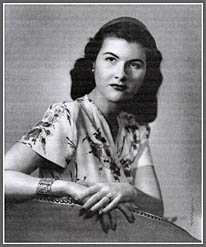 President Franklin D. Roosevelt created the Office of Strategic Services (OSS) in July 1942. This organization was responsible for
collecting and analyzing information about countries at war with the United States. During WWII, OSS also helped organize guerrilla
fighting, sabotage, and espionage. Shown at right is a veteran of OSS and one of the four thousand women, who made up
one-fifth of the OSS staff during WWII. This OSS veteran now resides in Scottsville and is a well-known author and
clinical, forensic psychologist.
President Franklin D. Roosevelt created the Office of Strategic Services (OSS) in July 1942. This organization was responsible for
collecting and analyzing information about countries at war with the United States. During WWII, OSS also helped organize guerrilla
fighting, sabotage, and espionage. Shown at right is a veteran of OSS and one of the four thousand women, who made up
one-fifth of the OSS staff during WWII. This OSS veteran now resides in Scottsville and is a well-known author and
clinical, forensic psychologist.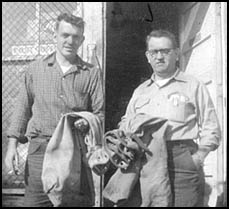 On April 30,1958, the last mail was delivered to the Warminster Post Office in Nelson County, VA. The post office was located in
a general store which sat near the C&O Railroad track. The Warminster postmaster and general store owner (at photo right in glasses) is
shown in the photo at right as he received this last mail shipment from an unidentified mail carrier (at photo left). This country store
sold everything: gasoline, clothes, shoes, foodstuffs including beans, oats, and flour in bulk. In 1957, this storekeeper purchased Scottsville's James River Market from Agnes Beal and
ran both the Warminster and Scottsville stores.
On April 30,1958, the last mail was delivered to the Warminster Post Office in Nelson County, VA. The post office was located in
a general store which sat near the C&O Railroad track. The Warminster postmaster and general store owner (at photo right in glasses) is
shown in the photo at right as he received this last mail shipment from an unidentified mail carrier (at photo left). This country store
sold everything: gasoline, clothes, shoes, foodstuffs including beans, oats, and flour in bulk. In 1957, this storekeeper purchased Scottsville's James River Market from Agnes Beal and
ran both the Warminster and Scottsville stores.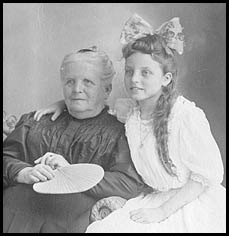 The older lady was born in Scottsville in the 1830's and was an original member of the Disciples of Christ Church (now Scottsville
Museum). She was much beloved by local citizens and her many nieces and nephews. One of her nephews became a Virginia
Senator, and her great niece, pictured here, became a Professor at a Virginia college and in 1970 served on the first
board of directors for Scottsville Museum.
The older lady was born in Scottsville in the 1830's and was an original member of the Disciples of Christ Church (now Scottsville
Museum). She was much beloved by local citizens and her many nieces and nephews. One of her nephews became a Virginia
Senator, and her great niece, pictured here, became a Professor at a Virginia college and in 1970 served on the first
board of directors for Scottsville Museum. 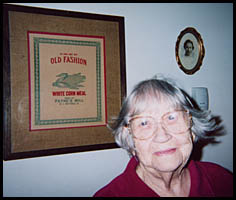 This lady recently posed in front of a framed cloth sack, reading "Old Fashion White Corn Meal." This corn meal
was ground at her family's mill in Buckingham County. In 1900 her parents built the mill on Little George Creek, located
about 4 miles down river from Scottsville near the site of a pre-Civil War mill. This earlier mill was destroyed when the dam holding back the
mill pond's water, broke and washed it away. In 1922, her mother began running the mill full time. She
became an expert at sharpening the grinding stones and 'picking' little holes in the surface to roughen the stones enough to
grind the corn into a fine meal. The mother operated the mill into the late 1950s with the assistance of her daughter
(photo above), and their customers came from all over Buckingham, Fluvanna, and Albemarle counties.
This lady recently posed in front of a framed cloth sack, reading "Old Fashion White Corn Meal." This corn meal
was ground at her family's mill in Buckingham County. In 1900 her parents built the mill on Little George Creek, located
about 4 miles down river from Scottsville near the site of a pre-Civil War mill. This earlier mill was destroyed when the dam holding back the
mill pond's water, broke and washed it away. In 1922, her mother began running the mill full time. She
became an expert at sharpening the grinding stones and 'picking' little holes in the surface to roughen the stones enough to
grind the corn into a fine meal. The mother operated the mill into the late 1950s with the assistance of her daughter
(photo above), and their customers came from all over Buckingham, Fluvanna, and Albemarle counties. 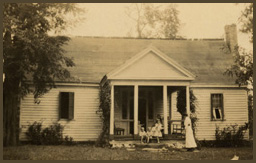 This 1910 photograph shows a home located near Totier Creek on land that has been in the same Albemarle family since 1747.
The property was part of a land grant issued by King George II and witnessed by Sir William Gooch, Colonial
Governor of Virginia. This house was not all built at one time but instead evolved room-by-room from a large room at what is
today the house's center. The home's kitchen was in an outbuilding and contained a fireplace so huge that a man could
stand up in it. Cooked meals were run up onto the porch, around the side of the house, and brought in through a rear door. A series of
porches kept the rain off the food as it was transported into the main house. Ice for refrigeration was cut from a nearby
pond and hauled to an outbuilding that served as the home's ice house. The main house still stands today in 2005, although the
kitchen and ice house no longer exist.
This 1910 photograph shows a home located near Totier Creek on land that has been in the same Albemarle family since 1747.
The property was part of a land grant issued by King George II and witnessed by Sir William Gooch, Colonial
Governor of Virginia. This house was not all built at one time but instead evolved room-by-room from a large room at what is
today the house's center. The home's kitchen was in an outbuilding and contained a fireplace so huge that a man could
stand up in it. Cooked meals were run up onto the porch, around the side of the house, and brought in through a rear door. A series of
porches kept the rain off the food as it was transported into the main house. Ice for refrigeration was cut from a nearby
pond and hauled to an outbuilding that served as the home's ice house. The main house still stands today in 2005, although the
kitchen and ice house no longer exist.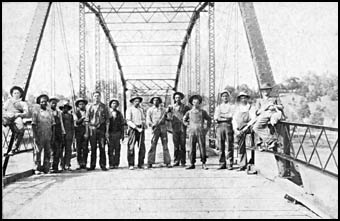 The first bridge over the James River at Scottsville replaced the Scottsville Ferry, which had been in operation there for 162 years.
Highway transportation received a boost with the construction of the Scottsville Bridge, which was wood-planked and wide enough
for two cars of the day to pass. Shown at right is a local repair crew, who kept the bridge's wood planking and
metal supports in top notch condition. Continued highway improvements and the affordability of automobiles
facilitated trade and also made Scottsville's population highly mobile. After
many years of useful service, this planked bridge was replaced by the concrete bridge in use today.
The first bridge over the James River at Scottsville replaced the Scottsville Ferry, which had been in operation there for 162 years.
Highway transportation received a boost with the construction of the Scottsville Bridge, which was wood-planked and wide enough
for two cars of the day to pass. Shown at right is a local repair crew, who kept the bridge's wood planking and
metal supports in top notch condition. Continued highway improvements and the affordability of automobiles
facilitated trade and also made Scottsville's population highly mobile. After
many years of useful service, this planked bridge was replaced by the concrete bridge in use today. 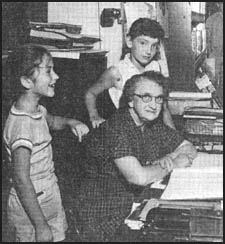 In 1933, this woman borrowed $300 and opened a grocery store on Valley Street Her store became quite a success, and she
operated it every day of the week except Sundays and Wednesday afternoon for 24 years. When the James River flooded,
this market fared better than some other Scottsville stores. Often this storekeeper had to move groceries off the floor,
but the store was never completely swamped and often stayed open during high water on Valley Street.
In 1933, this woman borrowed $300 and opened a grocery store on Valley Street Her store became quite a success, and she
operated it every day of the week except Sundays and Wednesday afternoon for 24 years. When the James River flooded,
this market fared better than some other Scottsville stores. Often this storekeeper had to move groceries off the floor,
but the store was never completely swamped and often stayed open during high water on Valley Street.
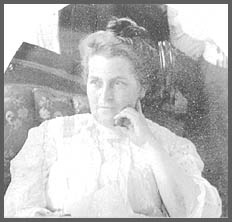 In 1857, this lady was born in Scottsville shortly after her father died, leaving her mother to care and support a family
of three daughters under the age of four years. Her mother took over the operation of the family's dry goods store on
the west side of Valley Street and soon converted it to a millinery. This daughter became an expert seamstress and
helped her mother run the store that sold pretty hats, lace, and corsets. When her mother died in 1905, this Scottsville
business woman continued operating her millinery through 1930. She never married, but in one local legend, this lady took a pot shot
at Billy, her longtime bachelor fiance, who lived just across Valley Street in a cottage called 'The Palace.' No one
ever knew why she did it, but the engagement broke off shortly thereafter.
In 1857, this lady was born in Scottsville shortly after her father died, leaving her mother to care and support a family
of three daughters under the age of four years. Her mother took over the operation of the family's dry goods store on
the west side of Valley Street and soon converted it to a millinery. This daughter became an expert seamstress and
helped her mother run the store that sold pretty hats, lace, and corsets. When her mother died in 1905, this Scottsville
business woman continued operating her millinery through 1930. She never married, but in one local legend, this lady took a pot shot
at Billy, her longtime bachelor fiance, who lived just across Valley Street in a cottage called 'The Palace.' No one
ever knew why she did it, but the engagement broke off shortly thereafter.
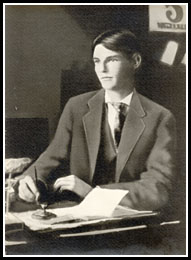 This young man was born in Scottsville in 1860, the son of a wealthy merchant whose finances would be diminished
by the Civil War. In 1871, he attended Scottsville's first public school, although he was not keen on the idea
because the teacher freely disciplined her students with a hickory switch. His father told him sternly, "Put on
your Christmas boots and walk right through the door. Jefferson wanted it, and he was a smart man!" As an adult,
this tall, friendly gentleman owned an insurance business in Scottsville, became an avid Democrat, and, in 1905, was
elected Mayor of Scottsville.
This young man was born in Scottsville in 1860, the son of a wealthy merchant whose finances would be diminished
by the Civil War. In 1871, he attended Scottsville's first public school, although he was not keen on the idea
because the teacher freely disciplined her students with a hickory switch. His father told him sternly, "Put on
your Christmas boots and walk right through the door. Jefferson wanted it, and he was a smart man!" As an adult,
this tall, friendly gentleman owned an insurance business in Scottsville, became an avid Democrat, and, in 1905, was
elected Mayor of Scottsville.
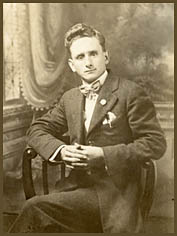 Born the son of an architect in the 1890's, this gentleman grew up in the Albevanna Springs area. He developed a passion for music and learned to play the banjo, guitar, mandolin,
and piano very well. Later he played in the Scottsville Orchestra, performing with them before the movies shown at Victory Theater and
for dances at the Old Farmer's Exchange (aka Canal Warehouse). Although a house painter by day, this Scottsville
musician loved performing in shows at the Victory Theater and wrote many songs. Three of his children still live in
Scottsville today.
Born the son of an architect in the 1890's, this gentleman grew up in the Albevanna Springs area. He developed a passion for music and learned to play the banjo, guitar, mandolin,
and piano very well. Later he played in the Scottsville Orchestra, performing with them before the movies shown at Victory Theater and
for dances at the Old Farmer's Exchange (aka Canal Warehouse). Although a house painter by day, this Scottsville
musician loved performing in shows at the Victory Theater and wrote many songs. Three of his children still live in
Scottsville today.
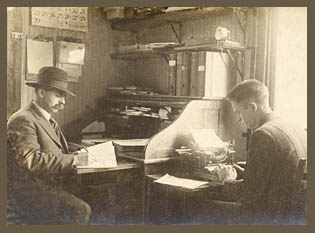 Pictured here in a circa 1925 office scene are a father and son, who were well-known businessmen in Scottsville. The
father at left bought a Main Street lot where a blacksmith shop once stood and began constructing a large building to house his business. First, he
poured a concrete floor, one so immense in size that a group of little boys came to marvel at it later that day. Former Mayor
Raymon Thacker was one of those boys, who believed a vast mud floor lay before him as the boys all began walking across it to see their footprints. Somebody informed the owner about the boys' actions, and the next day he caught Raymon walking down
Main Street. Raymon told the gentleman that everyone thought it was just mud and that they didn't mean to be destructive.
The businessman replied, "Well, it was concrete and you left your footprints everywhere. Fortunately it was still wet enough for
us to get the footprints out except we left two right where the staircase goes upstairs. And now your footprints are left in the
sands of time." Raymon says those two footprints stayed right there until the building was destroyed by fire in the 1970's.
Pictured here in a circa 1925 office scene are a father and son, who were well-known businessmen in Scottsville. The
father at left bought a Main Street lot where a blacksmith shop once stood and began constructing a large building to house his business. First, he
poured a concrete floor, one so immense in size that a group of little boys came to marvel at it later that day. Former Mayor
Raymon Thacker was one of those boys, who believed a vast mud floor lay before him as the boys all began walking across it to see their footprints. Somebody informed the owner about the boys' actions, and the next day he caught Raymon walking down
Main Street. Raymon told the gentleman that everyone thought it was just mud and that they didn't mean to be destructive.
The businessman replied, "Well, it was concrete and you left your footprints everywhere. Fortunately it was still wet enough for
us to get the footprints out except we left two right where the staircase goes upstairs. And now your footprints are left in the
sands of time." Raymon says those two footprints stayed right there until the building was destroyed by fire in the 1970's.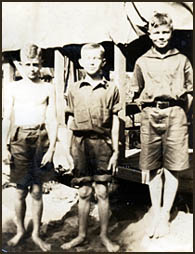 These three smiling lads are shown outside their tent during a campout with their Scottsville Boy Scout troop in 1931.
The Reverend Leslie H. Walton, Sr., started the Boy Scouts of America in the Scottsville area
shortly after accepting the pastorship of the Scottsville Baptist Church in 1908. This scouting program
was extremely popular in Scottsville with its abundant opportunities for outdoor activities. Several former Boy Scouts fondly recall
camping out at Pine Knot, the former hunting lodge of President Theodore Roosevelt near Keene. After the
President's death, Edith Roosevelt authorized its use by the local Boy Scout troop.
These three smiling lads are shown outside their tent during a campout with their Scottsville Boy Scout troop in 1931.
The Reverend Leslie H. Walton, Sr., started the Boy Scouts of America in the Scottsville area
shortly after accepting the pastorship of the Scottsville Baptist Church in 1908. This scouting program
was extremely popular in Scottsville with its abundant opportunities for outdoor activities. Several former Boy Scouts fondly recall
camping out at Pine Knot, the former hunting lodge of President Theodore Roosevelt near Keene. After the
President's death, Edith Roosevelt authorized its use by the local Boy Scout troop.
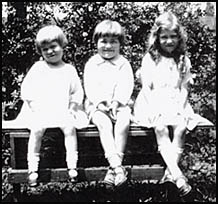 These happy children posed for a 1924 family photo at their Harrison Street home.
Their father came to Scottsville in 1908 after answering an ad to work in a small
medicine shop owned by Dr. Dillard and Dr. Stinson. The young gentleman prospered and
married the Methodist minister's daughter. Their three children attended Scottsville School, and
one child even followed in their father's business footsteps and ran the family store until 1977.
These happy children posed for a 1924 family photo at their Harrison Street home.
Their father came to Scottsville in 1908 after answering an ad to work in a small
medicine shop owned by Dr. Dillard and Dr. Stinson. The young gentleman prospered and
married the Methodist minister's daughter. Their three children attended Scottsville School, and
one child even followed in their father's business footsteps and ran the family store until 1977.
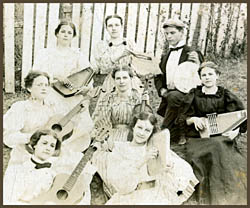 Home grown music concerts were much enjoyed entertainment in Scottsville in the early 1900's.
Guitars, harpsichords, violins, banjos, and pianos were popular instruments of the day, playing waltz and two-step
dances at local parties and dances. Three musically talented families gathered for this photo taken in
Scottsville circa 1900.
Home grown music concerts were much enjoyed entertainment in Scottsville in the early 1900's.
Guitars, harpsichords, violins, banjos, and pianos were popular instruments of the day, playing waltz and two-step
dances at local parties and dances. Three musically talented families gathered for this photo taken in
Scottsville circa 1900.